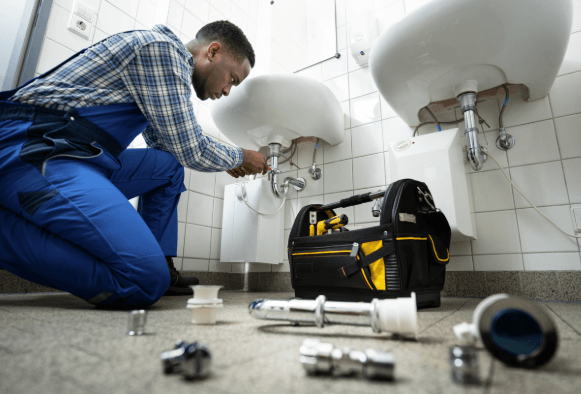
Becoming a professional plumber blends training, on-the-job learning, and certification. The path starts with formal instruction and safety theory, then moves to structured apprenticeships that cover residential, commercial, and industrial systems. Licensing varies by jurisdiction and may require exams and ongoing education. Progression hinges on hands-on experience, specialized certifications, and adherence to safety standards. Those pursuing this career build credentials step by step, shaping practical expertise while anticipating the next milestone in a disciplined, professional trajectory.
What It Takes to Become a Plumber: Core Pathways
Entering the plumbing profession requires a structured combination of formal training, hands-on apprenticeship, and certification where applicable. The core pathways emphasize steady progression through apprenticeship, trade school, or community college programs, followed by industry validation.
Plumbing career paths diverge into residential, commercial, and industrial tracks, each with distinct skill sets. Certification expectations guide credentialing, safety compliance, and ongoing competency maintenance for professional practice.
Training, Licensing, and Certification You Need
To pursue a plumbing career, prospective practitioners must follow a structured path of training, licensing, and certification tailored to local requirements. Training programs cover essential theory and safety, while examinations verify competencies. Licensing aligns with jurisdictional industry regulations, and certification signals specialized proficiency. Pricing models vary by region, influencing costs; compliant practitioners ensure ongoing education to maintain credentials and uphold professional standards.
Building Hands-On Experience and Finding Apprenticeships
Gaining practical plumbing experience hinges on securing structured hands-on opportunities and reliable apprenticeship placements, which develop core skills under supervision while exposing trainees to real-world systems and job-site protocols.
Building apprenticeships and hands on experience form the framework for early professional competence, guiding applicants to identify reputable programs, align with industry standards, and progressively assume responsibilities, ensuring compliant, measurable progress toward licensed practice.
See also: Technology’s Role in Environmental Protection
Tools, Safety, and Career Growth Tips for Plumbers
In moving from hands-on training to daily practice, the focus shifts to the tools, safety protocols, and career development that sustain professional performance.
Plumbers assess essential equipment, maintain compliance, and minimize risk through disciplined workflows.
Tools safety practices emphasize inspection, calibration, and proper storage.
Career growth emerges through certification, specialization, and ongoing education, guiding disciplined professionals toward broader opportunities and sustained operational excellence.
Conclusion
To prosper as a professional plumber, practice, patience, and precision prevail. Prospective entrants pursue practical programs, participate in patient apprenticeships, and prioritize licensing compliance. Continuous certification cycles and conscientious code adherence propel career longevity. Safety stewardship shapes skilled standings, supporting steady success. Systematic study, sensory acuity, and swift problem-solving sharpen sagacity, while steady supervision strengthens subordinate technicians. Ultimately, disciplined dedication, deliberate decision-making, and dutiful diligence define durable development in the dependable discipline of plumbing.